

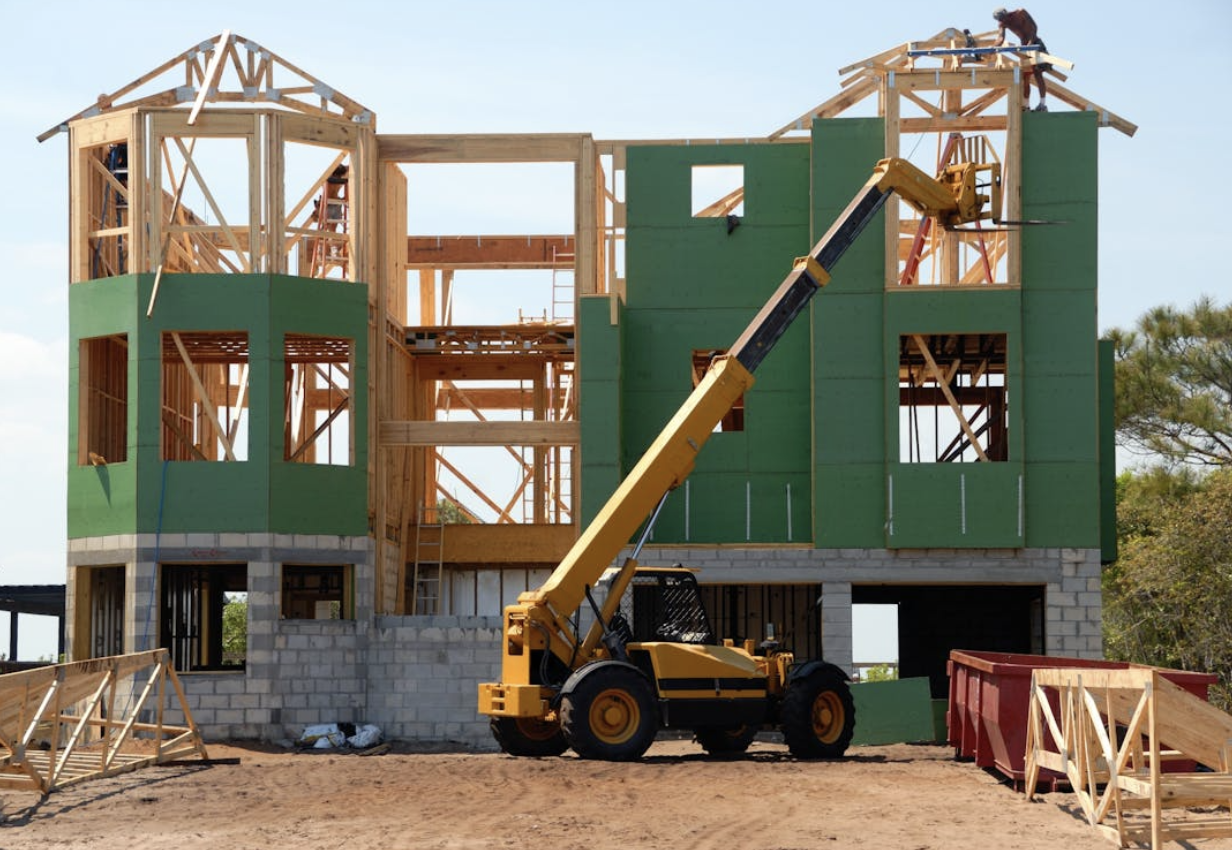
Real estate construction is a growing industry that needs all hands on deck to ensure that projects can get off the ground while reducing how much it costs. Construction costs are frequently rising due to material price volatility, labour shortages and complex regulations. For any real estate development to succeed, cost reduction is about strategic efficiency as you get the job done while paying as little as possible.
The most significant opportunities for savings happen long before the first shovel hits the dirt, as you need to plan every cost to ensure that your expenditure is at a minimum while your effectiveness is at a maximum. With new technologies like BIM, your project can improve material estimates and prevent ordering mistakes. There’s other techniques that can also benefit your real estate construction project.
This guide will help you understand how you can reduce the costs of your real estate project with an improved strategy that maximises the efficiency of the process. Continue reading to find out more.
Reducing Costs in Real Estate Construction
Aggressive Value Engineering
For those looking for a more organised approach to analysing the function of systems and equipment used within real estate construction projects, value engineering gives you a much better system that can streamline your processes. You need to challenge every design element in the construction process, for example, if a custom fixture is specified, it can make it more durable as it can provide you with information that can help you find better performing machinery for less.
It can also help with prioritising life-cycle costs, as it can give you advice on how to choose more expensive materials that will last ages and save you money in the long-term. This can lead to massive savings over the 10-20 year operational lifespan of the property.
Building Information Modeling (BIM)
BIM technology can help engineers see a 3D digital representation of the construction project. This can give a clearer picture of the pre-construction phase and can be a huge cost-saver for the real estate business. It allows architects, engineers and contractors to model the entire building virtually before they start the development, so it can detect any clashes that can cause structural issues that can be time-consuming and expensive to fix after the project is completed.
The software has been developed to provide precise material estimates that prevent costly ordering mistakes that can cause delays or create more waste. This is crucial if you are looking to smoothen the construction process in order to save money.
Define the Project Scope
There is always a tendency in construction projects to add in new features at the last minute or make changes late in the process, which can be huge budget killers and cause more delays that can reduce the return of investment (ROI). It’s important to establish a detailed project scope with all stakeholders at the beginning, so everyone is on the same page regarding the end goal of the building so nothing new is added right near the very end.
If any changes are requested after the design is finalised, make sure that you institute a formal process so that everyone involved is made aware of this beforehand. Every change should be reviewed for its full costs and how much it’s going to impact the scheduling.
Supply Chain and Material Selection
The procurement rocess is one of the most direct avenues for immediate cost savings. Material price volatility demands a proactive and adaptable strategy, as instead of relying solely on traditional materials, construction teams should commit to a rigorous process of material substitution analysis. This involves evaluating comparable alternatives that meet performance and aesthetic requirements but at a lower cost, often giving you long-term durability. With this method, you can find more eco-friendly materials solutions so that you can build sustainability into your business model.
Forward purchasing of materials when market prices are low and exploring bulk ordering opportunities that span multiple projects, can fight against price spikes so you can find materials that are affordable yet fit for purpose. Reducing waste through efficient material handling and storage on-site also minimises unnecessary replacement orders and disposal costs.
Improve Vendor Relationships
Having collaborative relationships with key suppliers and subcontractors is crucial for cost control. Rather than viewing every interaction as a one-off transaction, focus on developing long-term strategic partnerships. These relationships can be great for finances, as they can lead to preferred pricing, volume discounts and guaranteed supply even during periods when materials are scarce.
Trustworthy vendors are also more likely to offer value-added services, such as inventory management, just-in-time delivery to reduce on-site storage costs. You can also receive expert advice on efficient material usage, so you won’t be wasting anything.
Modern Methods of Construction (MMC)
MMC represents a significant shift toward maximising efficiency and minimising waste, directly tackling high labour and time costs. This involves adopting off-site manufacturing or prefabrication that can help with costs, so you aren’t overspending.
It also results in faster project delivery, so no extra money needs to be spent. While the initial design costs might be high, the time savings result in substantial cost reductions across the life of the project. Using the right machinery for certain jobs can also save money, such as using powered access hire machinery from companies like Mainline Hire for working at height.
Labour Management
One reason for construction costs being so high is due to poor labour management. Real estate projects need to ensure that those with the right skills are on-site when they’re needed, as this will reduce downtime that can be very costly for a business. You can utilise cross-training to improve flexibility, allowing workers to fill several roles while preventing any delays.
Your business should also invest in technology, such as wearable tech for site management or construction-specific software. This can improve communication and task assignment, leading to better productivity. A key aspect of cost control is also retaining skilled labour, which allows real estate managers to offer competitive wages and ensure a safe work environment for everyone involved. This reduces turnover and the associated costs of continuous recruitment and training.
Contingency Plan
A well-defined contingency plan is a strategic tool for cost control, as you strictly manage all your incomings and outgoings. The contingency budget should be an amount that’s typically 5% to 10% of the total construction budget, which should be dedicated solely to mitigating risk. The plan must include a clear drawdown process that requires formal sign-off and review before funds are released, preventing the budget from being casually spent on things that aren’t needed.
As the project progresses and major risks are resolved, portions of the contingency fund can be released back into the overall project budget. This will ensure that costs are not unnecessarily inflated by unused funds.p